Renters in several major U.S. metros are getting long-awaited relief in 2026, but would-be buyers are still facing painful monthly costs.
Asking rents have cooled in many places as new apartments enter the market and landlords lose some pricing power.
National rent data points to a more tenant-friendly period. Realtor’s February 2026 report, which will be the main base for this article of ours, marked the 30th consecutive month of annual rent declines, with the median asking rent across the 50 largest U.S. metros at $1,667.
Even after that decline, rent is still expensive compared with the period before the pandemic. Median asking rent sat $207 above pre-pandemic levels, although it was $90 below the 2022 peak.
Let us talk about those cities in greater detail.
| City | Rent Direction in 2026 | Shared Rental-Market Factor |
|---|---|---|
| Austin, Texas | Down 6.6%, with another estimate at 5.9% | Added apartment supply pushed landlords to compete harder |
| Denver, Colorado | Down about 4.8% | More apartment inventory and softer demand cooled rent growth |
| Phoenix, Arizona | Down about 4.0%, with another estimate near 4.5% | Rapid rental supply growth reduced landlord pricing power |
| Las Vegas, Nevada | Down roughly 3.0% | More rental supply helped weaken landlord pricing power |
| San Antonio, Texas | Down 2.7%, with another estimate at 1.6% | Lower rent levels and supply-side relief improved renter conditions |
1. Austin, Texas
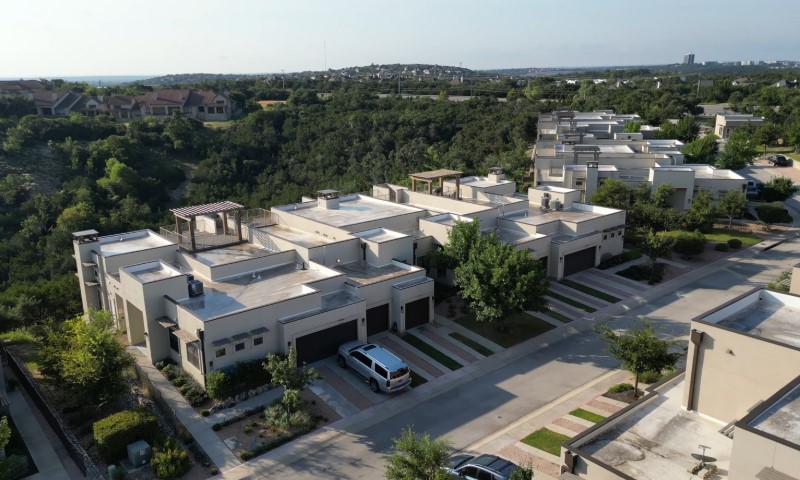
Austin had one of the sharpest rent drops among major U.S. metros. Median asking rent fell 6.6% year over year in one 2026 data set, while another 2026 rent map put the decline at 5.9%.
Additional rent analysis also placed Austin among the leading rent-relief markets, with rents down sharply compared with the 2022 peak.
Key rent data shows how quickly Austin shifted toward tenants:
- 6.6% annual decline in median asking rent
- 5.9% decline in another 2026 rent map
- Large drop compared with Austin’s 2022 rent peak
Apartment construction played a major role. Austin added a large amount of rental supply during its growth boom, and that extra inventory forced landlords to compete for tenants. As more units became available, asking rents moved lower.
Buying in Austin is still difficult for many households. Home prices are high relative to local incomes, and mortgage payments are still elevated compared with pre-pandemic conditions. Lower rent gives tenants some breathing room, but it does not make ownership affordable overnight.
Austin shows how new rental supply can help tenants before it solves the cost problem for buyers. Leasing may be a better short-term option for households waiting for home prices, rates, or total ownership costs to cool.
2. Denver, Colorado
Denver’s median asking rent fell about 4.8% year over year, placing it among the steepest rent-decline markets in 2026 rental data. After years as a hot housing market, Denver is seeing a softer rental environment.
New apartment supply and weaker demand have cooled rent growth. Denver was grouped with Austin and Phoenix as a Western market affected by rapid supply expansion, softer demand, rent corrections, and increased concessions.
Renters may notice that softer conditions show up in several practical ways:
- More available apartments during a search
- Better odds of finding move-in deals
- Less pressure to accept a steep renewal increase
- More room to compare neighborhoods and buildings
Buying in Denver is still expensive. Home prices, mortgage payments, taxes, insurance, and maintenance can keep ownership costs high even when rents decline.
Many renters may find that their lease payment is easing, while the monthly cost to buy still feels out of reach.
Denver points to a key 2026 housing divide. Short-term rental relief can happen quickly when supply rises, but long-term ownership affordability takes more than falling apartment rents.
3. Phoenix, Arizona
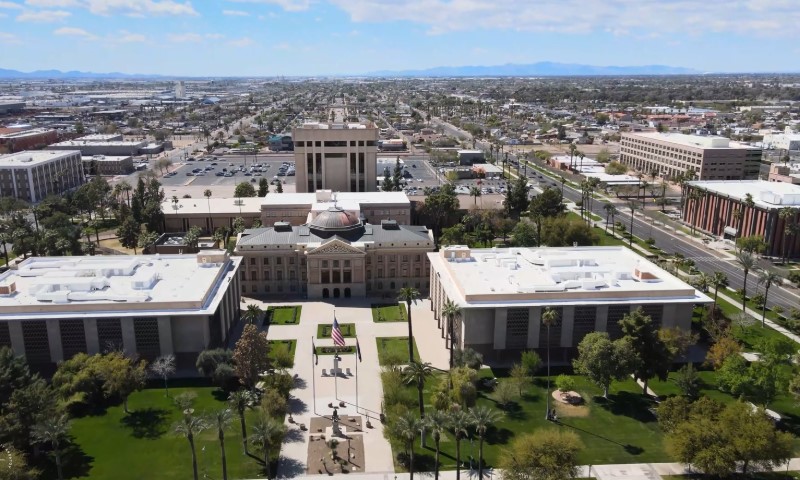
Phoenix, including Mesa and Chandler, saw median asking rent fall about 4.0% year over year in 2026 rent data. Another apartment-market source cited Phoenix rent declines of around 4.5%.
Construction and migration changes helped cool the rental market. Phoenix was one of the fast-growing Sun Belt metros that added a large amount of rental inventory during the pandemic-era growth surge.
As demand cooled and more apartments became available, landlords had less room to raise prices.
Phoenix was also grouped with Austin and Denver as a market affected by rapid supply growth, softer demand, rent corrections, and more concessions. For renters, that can mean better deals and less pressure at renewal time.
Buyers still face a difficult market. Mortgage payments are elevated, insurance costs can add pressure, and pandemic-era price growth still affects affordability.
Cost pressure for buyers can come through several channels at once:
- Higher monthly loan payments
- Added insurance costs
- Home prices that rose sharply in recent years
- Repair and maintenance costs after purchase
Phoenix shows how fast-growth markets can cool for tenants before they become affordable for homebuyers. Lower asking rents help, but buying still requires a much larger financial commitment.
4. Las Vegas, Nevada

Las Vegas, including Henderson and North Las Vegas, posted a roughly 3.0% year-over-year rent decline in 2026 data.
Earlier rental analysis also showed Las Vegas with one of the largest drops compared with its pandemic-era peak, with rents down 13.6% compared with peak levels.
More rental supply and weaker landlord pricing power helped bring asking rents lower.
Tenants in Las Vegas may have more leverage than they had during the pandemic rent surge, especially when comparing units, negotiating renewal terms, or looking for move-in deals.
Buying still comes with serious cost pressure. Mortgage payments are sensitive to interest rates and home prices, so ownership can stay expensive even as rent falls. Property taxes, insurance, repairs, and closing costs add more pressure for buyers.
Las Vegas is a strong example of a market where renters may gain leverage while buyers stay cautious. Lower rent can make leasing more attractive, especially for households not ready to take on a high monthly mortgage payment.
5. San Antonio, Texas
San Antonio, including New Braunfels, saw median asking rent decline 2.7% year over year in 2026 data. Another 2026 analysis put San Antonio’s rent decline at 1.6% year over year, matching Tampa’s decline.
San Antonio’s numbers show both lower rent levels and meaningful renter savings:
- $1,391 typical asking rent
- Lowest absolute asking rent among the 10 cities in that analysis
- $2,990 in estimated annual renter savings
- Just below the $3,000 savings level reached by Austin and Denver
Compared with many large metros, San Antonio has lower rents and more supply-side relief. That makes it more affordable for renters than many major housing markets, especially when concessions or lower renewal increases are available.
Buying can still be burdensome. Even in a more affordable Texas market, mortgage costs can rise or stay high when home prices, property taxes, insurance, and financing costs offset rent relief.
San Antonio shows that lower rent does not automatically make buying cheaper. Renters may benefit right away, while buyers still need to compare total ownership costs carefully.
Why Rents Are Falling
Apartment supply is the biggest reason rents are falling in many major markets. A building boom over the past several years has increased the number of apartments available for lease across the United States. With more units on the market, landlords have had to compete harder for tenants.
Rent declines have been strongest in Sun Belt and Mountain West metros. Many of these areas saw heavy apartment construction during and after the pandemic, followed by slower demand.
As a result, tenants in some cities are seeing lower asking rents, more concessions, and better lease terms.
National rent figures show relief, but also show that costs are still well above older norms:
- 1.5% annual decline in median U.S. rent for new leases
- About $1,400 per month for median new-lease rent
- Roughly 20% higher rent than before the pandemic
Renters in cooling markets may see benefits such as free months, reduced deposits, smaller renewal increases, and more flexible lease terms. New apartment supply was still entering the market in early 2026, and one broker described 2026 as one of the most renter-friendly periods in a decade.
Why Mortgage Costs Can Still Rise
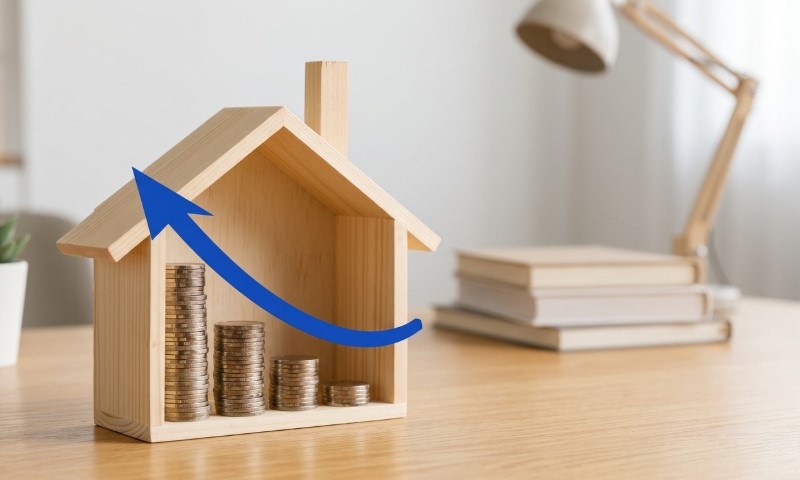
Mortgage costs do not move in the same direction as rents. Apartment rents can fall when too many new units hit the market, while ownership costs can rise due to home prices, borrowing rates, property taxes, insurance, and limited for-sale inventory.
Monthly buying costs can increase even when mortgage rates ease slightly.
Home price growth can erase the benefit of a lower rate, especially in markets where home values climbed sharply during the pandemic. Buyers also have to account for expenses that renters do not pay directly.
Ownership costs include more than principal and interest. Buyers need to budget for property taxes, homeowners’ insurance, HOA fees, repairs, maintenance, closing costs, and larger down-payment requirements.
In many cities, those added costs keep buying out of reach even as rents soften.
Rent relief helps tenants, but it does not erase the affordability pressure facing households. Many rents are still well above pre-pandemic levels, and buyers face much higher financing and ownership costs than they did before the pandemic.
FAQs
Closing Thoughts
Renters are entering a friendlier period in several major metros, but buying is still financially difficult in many of those same cities. Austin, Denver, Phoenix, Las Vegas, and San Antonio all show a similar pattern: asking rents are falling, yet ownership costs can still rise or stay elevated.
For renters, patience may pay off. Waiting, negotiating, and watching total ownership costs could be smarter than rushing into a purchase while mortgage payments, taxes, insurance, and home prices are still high.
Even in cities with rent declines, housing costs are still far higher than they were before the pandemic. Falling rents offer real relief, but they do not fully solve the affordability problem facing American households in 2026.

My name is Barbara Novak, I am a journalist focused on economic, religious, popular culture, and demographic trends shaping the United States. Professional life has been built around careful reporting, long term pattern analysis, and close attention to social forces that influence policy, culture, and public discourse.
Work currently appears on usacli.org, where reporting centers on national data, institutional change, faith-based movements, pop culture, population shifts, and economic behavior. Writing emphasizes clarity, verification, and balance, with a strong commitment to primary sources, expert interviews, and historical records.
Coverage often connects economic indicators with social behavior, showing how financial pressure, migration patterns, and belief systems interact over time. Religious reporting examines church affiliation, civic engagement, and moral frameworks without advocacy, allowing facts and context to guide conclusions.